Hello friend,
Most of the people I work with are the ones other people lean on. The daughter who calls her parents every evening. The manager whose team brings her the hard things first. The new dad doing the night feeds and the morning meetings. The friend who receives texts at eleven at night.
If that is you, you already know how to take care of someone. So let me ask: who is taking care of you?
There is only so much of you
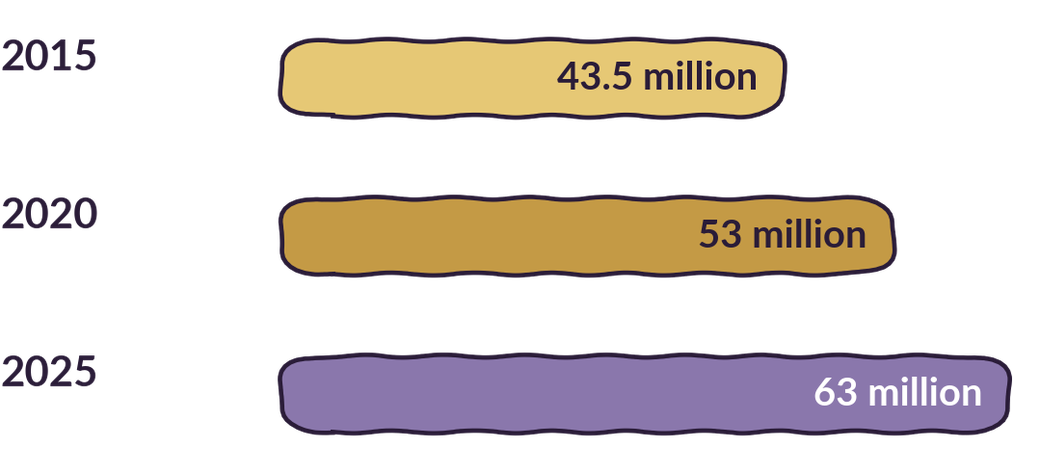
Nearly 1 in 4 adults now cares for a family member or friend.
 Feeling drainedSomeone you love walks into the room, and you have little left to give.
 Losing focusYou read the same paragraph three times and it still slips away.
 Losing joyThe things you used to enjoy start to feel like one more task.

Choose it in advance and protect it the way you would protect a promise to someone you love. The people who lean on you are counting on you to have something left.
Caring while you work
family caregivers also hold a job. If you are juggling both, most caregivers are doing the same.
- A ride to one appointment.
- A meal on the toughest day of your week.
- One hour of company for the person you care for.
A specific ask is easier to say yes to than “let me know if you need anything.”
| Are also raising children | Nearly 1 in 3 |
| Have cared for 5 years or more | 1 in 3 |
| Feel socially isolated | Nearly 1 in 4 |
- Keep water and a snack where you provide care. Staying fueled keeps you recharged.
- Step outside or in direct light for five minutes between tasks.
- Tell one person how you are really doing.
Four small ways to refill without feeling like another obligation
Each one takes ten minutes or less. Tap the one you will start with.
Your practice this week:
Tell me which one you chose. I would love to cheer you on.
Send it to RohinieThrough the busy season
November is National Family Caregivers Month, and the holidays ask the most of those who hold it together for everyone else. Claim your hour now, while the calendar has room. This makes it easier to keep through December.
 This weekClaim one hourStart small. Build it in your routine
 Nov 1Family Caregivers MonthKeep your hour
 Nov 26ThanksgivingYour hour still counts
 Dec 21Longest nightRest is part of the plan
Your check-in this week
Three questions, in the rhythm of my Nurturing Strategies Framework™.
DETECTWho gets the best of your attention right now, and who gets what is left?
ALIGNWhat did you say yes to this week that you would say no to if you were rested?
APPLYWhat is one thing you do only for yourself, and when will you do it next?
Be gentle with yourself
Caring for others can wear on your own health. If fatigue lasts for several weeks, or you start to lose interest in what usually brings you joy, check in with someone who asks about you.
Next month: making decisions you feel at peace with. Want to talk sooner? My first consultation is complimentary. Book it on Calendly.
I would love to hear which practice you choose from the list above. Write to me anytime.
With warmth,Rohinie
Prefer paper? Download the printable version (PDF)
Want the next issue in your inbox?
Next month is about making decisions you feel at peace with. One short, warm note at a time.
SubscribeEvery issue is in Resilience Practices.
Sources: AARP and National Alliance for Caregiving, Caregiving in the US (2015, 2020, 2025); American Academy of Sleep Medicine; Balban et al., Cell Reports Medicine, Stanford Medicine (2023); Holt-Lunstad et al., PLOS Medicine (2010); Administration for Community Living. General wellness information; your healthcare provider is your guide for medical care.